
Subscribe and receive email notifications of new blog posts.
 RSS Feed
-
2026 | 40 Posts
- September |
-
August |
- - The Little Repairs Buyers Always Notice Before Making an Offer
- - Buying a Home Isn't Just About the House: What to Look for in a Neighborhood Before You Buy
- - Thinking About Selling This Fall? What Capital District Homeowners Should Be Doing Right Now
- - Before Fall Arrives: What Capital District Homeowners Should Check Around Their Homes Now
-
July |
- - Is Your Home Showing Its Age? Home Trends That May Be Dating Your Space—and Simple Ways to Refresh It
- - Living in the Capital District of New York: Your Guide to the Region's Best Communities
- - Why Your Home's First Impression Starts Online: Preparing for Today's Digital Buyers
- - The Hidden Value of Local Knowledge: Why Choosing a Local Real Estate Broker Still Matters in 2026
- - Should You Renovate Before Selling? Smart Updates That Can Help Your Home Stand Out
- June |
-
May |
- - Cómo Obtener el Mejor Precio al Comprar una Casa en la Región Capital de Nueva York
- - How to Get the Best Deal When Buying a Home in New York's Capital Region
- - First-Time Buyer Guide: Understanding PMI and How It Affects Your Mortgage
- - FHA vs. Conventional Loans: Understanding Your Mortgage Options
- - Everything You Need to Know About Credit Scores
-
April |
- - New York Housing Market 2026: Key Trends Buyers and Sellers Need to Know
- - What Every Homeowner Should Know About Today's Real Estate Market in the Capital District, NY
- - Renovation ROI: Smart Upgrades That Add Value
- - Leasing Velocity in 2026: The Hidden Risk Impacting Multifamily Returns
- - Is a Fixer-Upper Worth It? What Buyers Should Really Know
-
March |
- - Understanding Capital District Market Trends: Business Insights for Albany, Schenectady, Troy & Saratoga Springs
- - What Homeowners Should Know About Mortgage Forbearance
- - Airport Chaos & Rising Costs: What Today's Shutdown Means for Business and Real Estate
- - Why the BP Refinery Lockout Could Impact Every American
- February |
-
January |
- - Top Home Design Trends for 2026: What to Expect in Real Estate
- - Decorating Small Spaces: How to Make Compact Homes Feel Open and Inviting
- - How Much Is Your Saratoga Home Worth in 2026?
- - Capital Region NY Real Estate Market: Albany, Saratoga, Schenectady, Troy & Cohoes
- - My Realistic Morning Routine for a Productive Day
- 2025 | 15 Posts
27
Everything You Need to Know About Credit Scores
When buying a home, your credit score is one of the most important financial factors lenders consider. Whether you are purchasing your first home, refinancing, or investing in real estate, understanding how credit scores work can help you qualify for better loan options and lower interest rates.
What Is a Credit Score?
A credit score is a three-digit number that represents your creditworthiness. It helps lenders determine how likely you are to repay borrowed money responsibly. Credit scores typically range from 300 to 850.
In general:
- 800–850: Excellent
- 740–799: Very Good
- 670–739: Good
- 580–669: Fair
- Below 580: Poor
The higher your score, the more favorable your financing options may be.
Why Credit Scores Matter in Real Estate
Your credit score can directly affect:
- Mortgage approval
- Interest rates
- Loan terms
- Down payment requirements
- Monthly mortgage payments
Even a small difference in your interest rate can save or cost you thousands of dollars over the life of a loan.
For example, a buyer with a higher credit score may qualify for a lower interest rate, resulting in lower monthly payments and greater purchasing power.
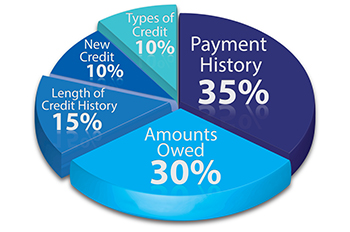
What Factors Affect Your Credit Score?
- Payment History (35%)
Your payment history is the most important factor. Paying bills on time consistently helps build strong credit.
Late payments, collections, foreclosures, and bankruptcies can negatively impact your score.
- Credit Utilization (30%)
This refers to how much of your available credit you are using.
Experts recommend keeping your credit card balance below 30% of your credit limit.
Example:
If your credit limit is $10,000, try to keep your balance below $3,000.
- Length of Credit History (15%)
The longer your credit history, the better. Lenders like to see established and responsible credit usage over time.
- New Credit Inquiries (10%)
Applying for multiple loans or credit cards within a short period can temporarily lower your score.
- Credit Mix (10%)
Having different types of credit such as credit cards, auto loans, and mortgages can positively influence your score when managed responsibly.
Tips to Improve Your Credit Score
If you are planning to buy a home, improving your credit score can make a significant difference.
Here are a few practical tips:
- Pay all bills on time
- Reduce credit card balances
- Avoid opening unnecessary accounts
- Check your credit report regularly
- Dispute any errors on your report
- Avoid large purchases before applying for a mortgage
Improving your score takes time, but consistent financial habits can lead to long-term success.
How to Check Your Credit Score
You can check your credit score through:
- Your bank or credit card provider
- Credit monitoring services
- Annual credit reports
Reviewing your credit regularly helps you stay informed and catch potential issues early.
Understanding your credit score is essential when preparing to buy a home. A strong credit profile can open the door to better financing opportunities and help you achieve your real estate goals with confidence.
If you are thinking about buying, selling, or investing in real estate, working with experienced professionals can help guide you through every step of the process.
Your dream home may be closer than you think and building strong credit is one of the keys to getting there.