
Subscribe and receive email notifications of new blog posts.
 RSS Feed
-
2026 | 40 Posts
- September |
-
August |
- - The Little Repairs Buyers Always Notice Before Making an Offer
- - Buying a Home Isn't Just About the House: What to Look for in a Neighborhood Before You Buy
- - Thinking About Selling This Fall? What Capital District Homeowners Should Be Doing Right Now
- - Before Fall Arrives: What Capital District Homeowners Should Check Around Their Homes Now
-
July |
- - Is Your Home Showing Its Age? Home Trends That May Be Dating Your Space—and Simple Ways to Refresh It
- - Living in the Capital District of New York: Your Guide to the Region's Best Communities
- - Why Your Home's First Impression Starts Online: Preparing for Today's Digital Buyers
- - The Hidden Value of Local Knowledge: Why Choosing a Local Real Estate Broker Still Matters in 2026
- - Should You Renovate Before Selling? Smart Updates That Can Help Your Home Stand Out
- June |
-
May |
- - Cómo Obtener el Mejor Precio al Comprar una Casa en la Región Capital de Nueva York
- - How to Get the Best Deal When Buying a Home in New York's Capital Region
- - First-Time Buyer Guide: Understanding PMI and How It Affects Your Mortgage
- - FHA vs. Conventional Loans: Understanding Your Mortgage Options
- - Everything You Need to Know About Credit Scores
-
April |
- - New York Housing Market 2026: Key Trends Buyers and Sellers Need to Know
- - What Every Homeowner Should Know About Today's Real Estate Market in the Capital District, NY
- - Renovation ROI: Smart Upgrades That Add Value
- - Leasing Velocity in 2026: The Hidden Risk Impacting Multifamily Returns
- - Is a Fixer-Upper Worth It? What Buyers Should Really Know
-
March |
- - Understanding Capital District Market Trends: Business Insights for Albany, Schenectady, Troy & Saratoga Springs
- - What Homeowners Should Know About Mortgage Forbearance
- - Airport Chaos & Rising Costs: What Today's Shutdown Means for Business and Real Estate
- - Why the BP Refinery Lockout Could Impact Every American
- February |
-
January |
- - Top Home Design Trends for 2026: What to Expect in Real Estate
- - Decorating Small Spaces: How to Make Compact Homes Feel Open and Inviting
- - How Much Is Your Saratoga Home Worth in 2026?
- - Capital Region NY Real Estate Market: Albany, Saratoga, Schenectady, Troy & Cohoes
- - My Realistic Morning Routine for a Productive Day
- 2025 | 15 Posts
12
Buying a Home Isn't Just About the House: What to Look for in a Neighborhood Before You Buy
It happens all the time.
A buyer walks into a home and immediately falls in love with the renovated kitchen, spacious backyard, beautiful hardwood floors, or finished basement. The house checks nearly every box on the wish list.
But there is one thing no renovation can change: where the house is located. You can repaint walls. You can remodel the kitchen. You can replace flooring, add landscaping, or even change the layout of a home.
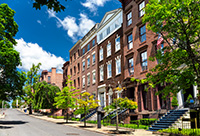
You can't move the neighborhood.
That's why choosing where you buy deserves just as much attention as choosing what you buy. Throughout New York's Capital District, buyers have an incredible variety of communities to consider. From city neighborhoods and established suburbs to historic villages and more rural settings, each location offers a different combination of housing, conveniences, commuting options, recreation, and lifestyle. Before making an offer, take some time to look beyond the front door.

Visit the Neighborhood More Than Once
A neighborhood can feel completely different depending on when you visit. If you only see a property during a Saturday afternoon showing, you're getting just one snapshot of what living there might actually be like.
Consider returning:
- During the morning commute.
- In the early evening.
- On a weekday.
- On a weekend.
Pay attention to traffic, parking, activity levels, lighting, and general noise.
You don't need to spend hours there. Even a few additional drives through the area can give you a much better sense of whether the location fits your daily routine.

Test Your Actual Commute
A home that appears to be 15 minutes from work on a map may feel very different during rush hour.
Before purchasing, consider driving your potential commute at approximately the same time you would normally travel. Think beyond work as well.
How convenient is the location to places you regularly visit, such as:
- Grocery stores.
- Medical providers.
- Family and friends.
- Shopping.
- Restaurants.
- Recreation.
- Major highways.
A few additional minutes may not matter to one buyer, while another may consider them a deal-breaker. The important question is whether the location works for your lifestyle.

Look at What Is Around the Property
When touring a home, it's natural to concentrate on the property itself.
But take a few minutes to look beyond the lot. What's behind the backyard? What's across the street? What's at the end of the block?
Nearby land uses, businesses, major roads, parking areas, public spaces, and other surroundings may affect how you experience the property.
This is especially important when buying a home near undeveloped land. An open field may provide a beautiful view today, but buyers should understand that privately owned land could potentially be developed in the future.
Research Future Development
What a neighborhood looks like today isn't necessarily what it will look like five or ten years from now.
New development can bring additional housing, businesses, recreation, infrastructure, and other changes to a community.
Before buying, consider checking local planning and municipal resources for information about proposed projects in the surrounding area.
You may want to learn about:
- Proposed residential developments.
- Commercial construction.
- Road projects.
- Zoning changes.
- Public infrastructure improvements.
- Parks or recreational projects.
You can't predict every future change, but understanding what's already being discussed or approved can help you make a more informed decision.

Understand the Property Taxes
The purchase price isn't the only number that matters when comparing homes. Property taxes can vary considerably from one municipality or property to another, and they affect your ongoing cost of ownership.
Two similarly priced homes may have noticeably different monthly housing costs once taxes are included.
Before making an offer, make sure you understand the property's current taxes and discuss with the appropriate professionals how those expenses fit into your overall budget.
Don't assume taxes will be identical simply because two homes are located near each other.
Consider the Amenities You Will Actually Use
It's easy to get excited about a long list of nearby amenities, but focus on the ones that matter to you.
Depending on your lifestyle, that might include:
- Parks and trails.
- Libraries.
- Fitness facilities.
- Restaurants and cafés.
- Shopping.
- Community centers.
- Golf courses.
- Entertainment.
- Access to the Hudson or Mohawk River.
- Nearby outdoor recreation.
A community doesn't need to offer everything. It needs to offer the things that make your everyday life more enjoyable and convenient.

Pay Attention to the Street, Not Just the House
Sometimes two homes only a few blocks apart can offer very different living experiences.
One may sit along a heavily traveled road while another is on a quieter residential street. One may have sidewalks and streetlights while another has a more rural setting.
Look at characteristics such as:
- Traffic flow.
- Street parking.
- Sidewalks.
- Street lighting.
- Lot sizes.
- Road access.
- General property maintenance.
- Proximity to intersections or commercial areas.
None of these characteristics is automatically good or bad. Different buyers simply have different preferences.
What's important is understanding what you're purchasing before you make the commitment.
Think About Your Future, Not Only Today
The home may fit your life perfectly right now, but what about several years from now?
Think about how long you expect to remain in the property and whether the location can continue meeting your needs. Your priorities may change.
Perhaps working from home becomes more important. Maybe you'll want easier access to recreation, healthcare, family, or major transportation routes.
You can't plan for every possibility, but thinking beyond the present can help you choose a home and community with greater confidence.
Don't Ignore Resale Potential
Even if you believe you're buying your forever home, circumstances can change.
Employment opportunities, family needs, retirement plans, or unexpected events may eventually lead you to sell.
That's why it's worth considering how future buyers might view the location.
Features such as convenient transportation access, nearby amenities, property condition, lot characteristics, and overall market demand can influence resale.
You shouldn't choose a home solely for the next buyer, but resale potential deserves a place in your decision-making process.
Use Online Research, but Don't Stop There
Online tools are incredibly useful when researching a community.
They can help you locate parks, businesses, transportation routes, municipal information, property records, and other resources.
But online research shouldn't completely replace experiencing the neighborhood yourself. Maps can't tell you how a street feels during rush hour. Photos can't fully show you the activity around a property on a Friday evening.
A listing description can't tell you whether the daily drive works for your lifestyle. Use technology to gather information, then verify what matters to you personally.
Ask Questions About What Matters to You
Your real estate professional can be an excellent resource, but buyers should also conduct their own research when evaluating a community.
Ask questions about the property, available public information, transportation, municipal services, nearby amenities, and anything else that's important to your decision.
For certain subjects, the best information may come directly from the municipality, school district, tax authority, utility provider, or another appropriate source.
A good real estate professional doesn't make the decision for you.
They help you identify the questions worth asking and point you toward reliable information so you can make an informed decision.
The Capital District Gives Buyers Plenty of Choices
One of the things I appreciate most about working in the Capital District is the variety of communities available to buyers.
Someone looking for an urban environment may have very different priorities from a buyer seeking a suburban neighborhood, historic village, larger property, or quieter rural setting.
Albany, Colonie, Guilderland, Bethlehem, Troy, Schenectady, Niskayuna, Clifton Park, Saratoga Springs and the many surrounding communities each provide different housing choices and lifestyles.
Rather than asking, "Which community is the best?", I encourage buyers to ask: "Which community is the best fit for me?" That's a much more useful question.
Finding a home you love is exciting, but don't let beautiful countertops or a perfect backyard cause you to overlook the bigger picture.
Take time to explore the neighborhood. Drive your commute. Research the area. Understand the taxes. Look at nearby development. Consider the amenities you'll actually use. Think about your future.
The right home should work both inside and outside the property lines. Because after closing, you're not simply coming home to a house. You're coming home to a community.
Ready to Find the Right Home and the Right Community?
If you're considering buying a home anywhere in New York's Capital District, having someone who understands the local market can help you explore your options and ask the right questions along the way.
At CKM Team Realty, our goal isn't simply to help you find a property. It's to help you make an informed real estate decision that makes sense for your needs, lifestyle, and future goals.
Carmelo Gines
Licensed Real Estate Broker/Owner
CKM Team Realty