
Subscribe and receive email notifications of new blog posts.
 RSS Feed
-
2026 | 40 Posts
- September |
-
August |
- - The Little Repairs Buyers Always Notice Before Making an Offer
- - Buying a Home Isn't Just About the House: What to Look for in a Neighborhood Before You Buy
- - Thinking About Selling This Fall? What Capital District Homeowners Should Be Doing Right Now
- - Before Fall Arrives: What Capital District Homeowners Should Check Around Their Homes Now
-
July |
- - Is Your Home Showing Its Age? Home Trends That May Be Dating Your Space—and Simple Ways to Refresh It
- - Living in the Capital District of New York: Your Guide to the Region's Best Communities
- - Why Your Home's First Impression Starts Online: Preparing for Today's Digital Buyers
- - The Hidden Value of Local Knowledge: Why Choosing a Local Real Estate Broker Still Matters in 2026
- - Should You Renovate Before Selling? Smart Updates That Can Help Your Home Stand Out
- June |
-
May |
- - Cómo Obtener el Mejor Precio al Comprar una Casa en la Región Capital de Nueva York
- - How to Get the Best Deal When Buying a Home in New York's Capital Region
- - First-Time Buyer Guide: Understanding PMI and How It Affects Your Mortgage
- - FHA vs. Conventional Loans: Understanding Your Mortgage Options
- - Everything You Need to Know About Credit Scores
-
April |
- - New York Housing Market 2026: Key Trends Buyers and Sellers Need to Know
- - What Every Homeowner Should Know About Today's Real Estate Market in the Capital District, NY
- - Renovation ROI: Smart Upgrades That Add Value
- - Leasing Velocity in 2026: The Hidden Risk Impacting Multifamily Returns
- - Is a Fixer-Upper Worth It? What Buyers Should Really Know
-
March |
- - Understanding Capital District Market Trends: Business Insights for Albany, Schenectady, Troy & Saratoga Springs
- - What Homeowners Should Know About Mortgage Forbearance
- - Airport Chaos & Rising Costs: What Today's Shutdown Means for Business and Real Estate
- - Why the BP Refinery Lockout Could Impact Every American
- February |
-
January |
- - Top Home Design Trends for 2026: What to Expect in Real Estate
- - Decorating Small Spaces: How to Make Compact Homes Feel Open and Inviting
- - How Much Is Your Saratoga Home Worth in 2026?
- - Capital Region NY Real Estate Market: Albany, Saratoga, Schenectady, Troy & Cohoes
- - My Realistic Morning Routine for a Productive Day
- 2025 | 15 Posts
19
Thinking About Selling This Fall? What Capital District Homeowners Should Be Doing Right Now
If selling your home this fall has been on your mind, you may be wondering whether it is too early to start preparing. It isn't.
Late summer is actually an excellent time to begin getting your home ready for a fall sale. You still have longer days, generally favorable weather, green lawns, and time to address those little things around the house that can quickly become bigger projects once fall arrives.
Here in New York's Capital District, the transition from summer to fall can happen quickly. One week we're enjoying warm afternoons and green yards, and before long we're dealing with falling leaves, shorter days, cooler temperatures, and preparing our homes for winter.
If you're considering putting your home on the market this fall, getting an early start can make the process much easier.

Start With the Outside While the Weather Is Still on Your Side
Before you start worrying about paint colors, furniture placement, or decorating inside the house, walk outside and take a good look at your property. Try to see it through the eyes of someone pulling into the driveway for the first time.
Is the lawn maintained? Are bushes and shrubs overgrown? Are there weeds around the walkway? Does the front entrance look inviting? Are there areas of peeling paint, loose railings, damaged screens, or other small maintenance issues?
These things may seem minor when you see them every day, but buyers notice them. Late summer gives homeowners an opportunity to handle exterior projects before cooler weather makes them more difficult.
You don't necessarily need an expensive landscaping makeover. Cutting back overgrown shrubs, removing weeds, edging the lawn, cleaning walkways, touching up paint, and adding a simple welcoming touch near the front door can make a noticeable difference.

Take Care of the Small Repairs You've Been Putting Off
Almost every home has a list of little projects that have been waiting for attention.
Maybe there's a dripping faucet, a cabinet door that doesn't close properly, a loose doorknob, a cracked switch plate, a closet door that's off its track, or a room that needs a little paint touch-up.
When you're living at the home, it's easy to get used to these things. A buyer doesn't have that history with the property.
They're seeing everything for the first time, and several small maintenance issues can sometimes create the impression that the home hasn't been properly maintained even when that isn't the case.
Before spending money on major improvements, start by correcting the obvious smaller items.
A home that feels clean, maintained, and cared for can make a much stronger impression than one with expensive upgrades but obviously unfinished maintenance.

Declutter, but Don't Make the House Feel Empty
Decluttering is one of the simplest things homeowners can do before selling, but there's a difference between decluttering and removing everything that makes a home feel comfortable. The goal is not to make your home look vacant. The goal is to help buyers notice the space, rather than your belongings.
Start with areas that tend to collect things: kitchen counters, bathroom counters, entryways, closets, bookshelves, garages, basements, and spare rooms.
If you haven't used something in a long time and you're planning to move anyway, this is a great opportunity to donate, sell, pack, or dispose of it.
You will have less to move later, and your home can begin feeling more spacious now.
Don't Assume You Need a Major Renovation
One of the first questions some homeowners ask when they're considering selling is:

"What should I renovate before I put the house on the market?"
Sometimes the answer is much less than they expect. Not every kitchen needs to be replaced. Not every bathroom needs to be remodeled. And spending thousands of dollars shortly before selling doesn't automatically mean you'll receive all of that money back.
Sometimes cleaning, fresh paint, updated hardware, improved lighting, repaired fixtures, or other smaller improvements can make a significant difference without turning your home into a construction project.
Before committing to an expensive renovation specifically for resale, it can be helpful to talk with a real estate professional who understands what buyers are currently responding to in your local market.
Take Advantage of Late-Summer Photography
This is something homeowners don't always think about.
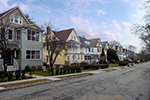
If your landscaping looks especially good right now and you're seriously considering selling later in the fall, it may be worth discussing whether exterior photographs should be taken while everything is still green and attractive. By late fall, many properties in the Capital District look very different. Trees may be bare, gardens have faded, and daylight becomes limited.
A beautiful late-summer exterior photograph can show buyers what the property looks like during one of its most attractive seasons.
Of course, listing photographs should accurately represent the property. But planning ahead can give you more options when it comes time to market the home.

Start Gathering Information About Your Property
Preparing to sell isn't only about how the house looks. There is also information you'll want to have available.
If possible, begin gathering records related to improvements and major components of the property.
For example, when was the roof replaced? How old is the furnace or boiler? Have windows been replaced? Was the electrical system updated? Have you installed a new water heater, central air system, driveway, appliances, or other improvements?
You may also have warranties, receipts, permits, manuals, or service records.
Having this information organized can make conversations about the property easier and help you accurately communicate improvements you've made over the years.

Understand the Market Before Choosing Your Price
Your home's value isn't determined by what you paid for it, how much you've invested in improvements, what a neighbor is asking for their house, or what an online estimate says.
The market ultimately determines value. That means looking at recent comparable sales, current competition, location, condition, property features, buyer activity, and other factors.
This is particularly important throughout the Capital District because market conditions can vary considerably from one community, and sometimes one neighborhood to another.
What's happening in Albany may not be identical to what's happening in Colonie, Guilderland, Bethlehem, Troy, Schenectady, Niskayuna, Clifton Park, or surrounding communities. Pricing correctly from the beginning can be an important part of attracting serious buyers.

Prepare for Shorter Days and Fall Showings
Fall can be a beautiful time to show a home, but it comes with a few challenges.
Days become shorter, which means some buyers may be seeing your home after work when natural light is limited. Take a look at your lighting now.

Replace burned-out bulbs. Make sure rooms feel bright and welcoming. Clean windows and light fixtures. Consider whether darker areas of the home need better lighting.

Outside, make sure walkways, stairs, porches, and entrances are properly illuminated.
As leaves begin falling, keeping walkways and entrances clear also becomes important.
A buyer should be able to arrive at your home and immediately feel that the property is cared for.

You Don't Have to Wait Until You're Ready to List to Talk to a Broker
Some homeowners hesitate to contact a real estate broker because they think they need to have the house completely ready first. You don't. In fact, having that conversation earlier can sometimes save you time and money.
A broker can walk through the property with you, discuss current market conditions, identify improvements that may be worthwhile, and point out things you may not need to spend money on.
That allows you to make decisions based on your particular home and local market rather than trying to prepare based on a generic checklist.
What I Would Tell a Homeowner Who Called Me Today
If a Capital District homeowner called me today and said, "Carmelo, I'm thinking about selling this fall. What should I do first?", I wouldn't tell them to immediately start renovating the house. I would tell them to start by understanding where they are.
Let's look at the property. Let's talk about why you're considering selling, when you'd ideally like to move, what needs attention around the home, and what's currently happening in your particular market.
Every homeowner's situation is different. One property may benefit from fresh paint and landscaping. Another may simply need a thorough cleaning and some decluttering. Another homeowner may discover that the project they were prepared to spend thousands of dollars completing isn't something today's buyers necessarily expect.
The purpose of preparing isn't to make your home perfect. It's to decide which improvements will help your property make its best impression, and which ones probably aren't worth your time or money.
Selling a home doesn't begin on the day the listing goes online. The preparation often starts weeks before. If you're considering selling this fall, late summer gives you something very valuable: time.
Time to make repairs without rushing. Time to organize. Time to improve curb appeal. Time to understand your local market. And time to make thoughtful decisions about what your home actually needs before buyers walk through the door.
You don't have to do everything at once, and you certainly don't have to figure everything out on your own.
A little preparation now can help make the transition from "We're thinking about selling" to "We're ready to sell" much smoother.
Carmelo Gines
Licensed Real Estate Broker/Owner
CKM Team Realty